Home › Chilli Growing Guide › Reference
The Complete UK Chilli Growing Calendar
A month-by-month guide to the chilli growing year in Britain, from planning and sowing in winter to harvesting, seed saving and overwintering.
ON THIS PAGE
KEY DATES
February: main sowing month for many chinense types
March–April: sow faster annuum types and sweet peppers
May–June: harden off over 7–14 days once nights stay above 10°C
September: often the main harvest
December: review records and plan next season
Guides, not guarantees. Use these dates as a starting point. Your plants and the local forecast always take precedence over the calendar.
1. January to June
| Months | What to do |
|---|---|
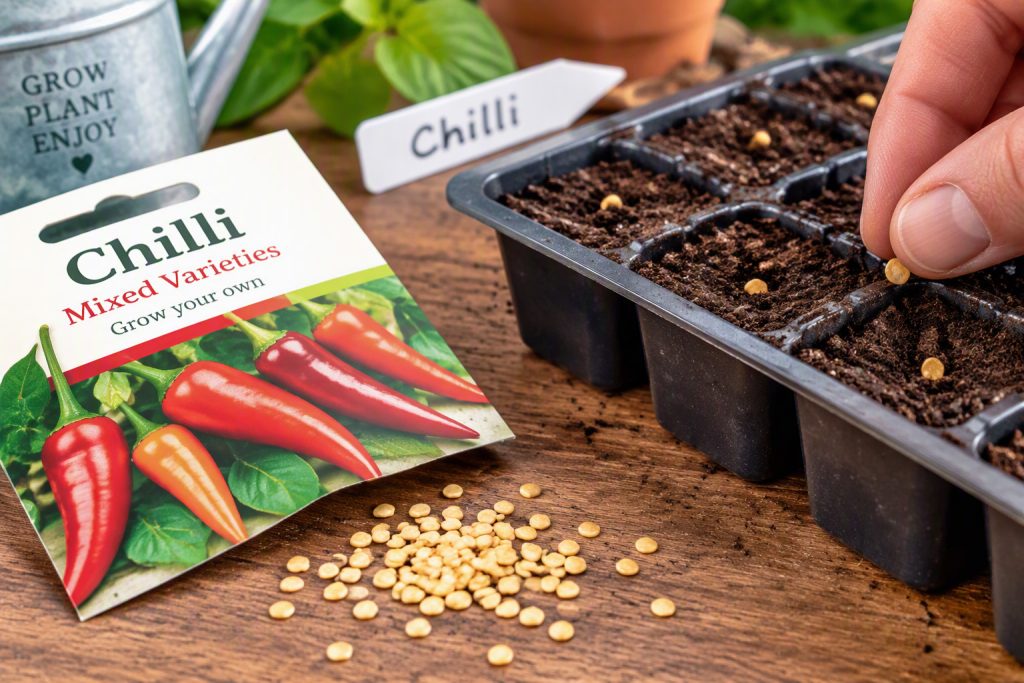
| January–February | Plan the season, choose your chilli varieties and order fresh seed from trusted suppliers. Set up grow lights, heat mats and propagators. Sow slow-maturing C. chinense types, super-hots and Rocotos indoors first; February is a main sowing month for many chinense types. |
| March–April | Sow faster C. annuum varieties and sweet peppers. Provide strong light, keeping grow lights close, and prick out seedlings into 7–9 cm pots once true leaves appear. Begin only gentle liquid feeding. April is the month to build roots and structure. |
| May–June | Harden plants off gradually over 7–14 days once nights stay above 10°C and the last local frost has passed, guided by local forecasts. Pot on into final containers, add stakes and supports, and settle plants into sunny permanent positions or the greenhouse. |
2. July to December
| Months | What to do |
|---|---|
| July–August | Support pollination by tapping stems indoors and in the greenhouse, and keep a close eye on watering and chilli pests and problems. Switch to a high-potassium feed as pods set. Early harvests and preserving begin in August; picking early green Jalapeños or Padróns encourages further fruiting. |
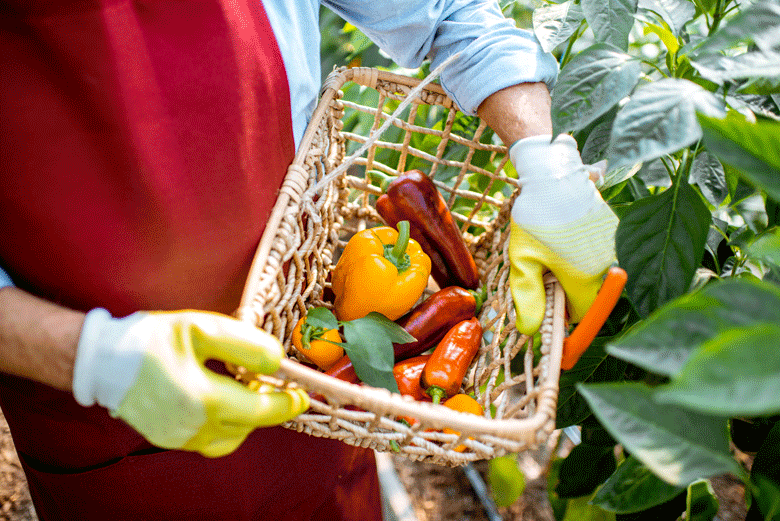
| September–October | September is often the main harvest. Remove late flowers so plants direct their energy into ripening existing pods. Complete harvests before damaging cold arrives, save seed and bring plants selected for overwintering indoors. |
| November–December | Prune overwintering plants, reduce watering and monitor indoor pests. Dry or ferment harvested pods, clean tools and pots, fill in your Chilli Grower’s Record Sheet, review your records and plan next year’s seed list. |
3. Adjusting for your area and keeping records
Protected growing may advance spring and extend autumn, while northern, coastal and upland gardens may need earlier indoor starts and earlier protection. Plants and forecasts take precedence over calendar dates.
Good records turn each season into evidence for the next. Use the free printable Chilli Grower’s Record Sheet to log your seed sources and sowing dates, germination, potting, feeding, pests, first flowers and fruit, harvest weights and flavour notes, and which plants you keep for seed or overwintering.
CHAPTER CHECKLIST
- Use dates as guides, not guarantees.
- Adjust for local weather.
- Review the season in December.