Home › Chilli Growing Guide › Chapter 7
Chilli Seed Saving, Breeding and Overwintering
The season doesn’t have to end with the last harvest. Saving seed and keeping your best plants through winter give you a head start next year.
IN THIS CHAPTER
KEY FACTS
Save seed from: fully ripe pods on your best plants
Cross-pollination: affects the next generation, not the current pod
Store seed: dry for 10–14 days, then keep cool, dark and dry with silica gel
Over winter: 10–15°C, bright and frost-free; no feed, minimal water
Before winter: prune branches back by a third to a half
1. Seed saving and breeding
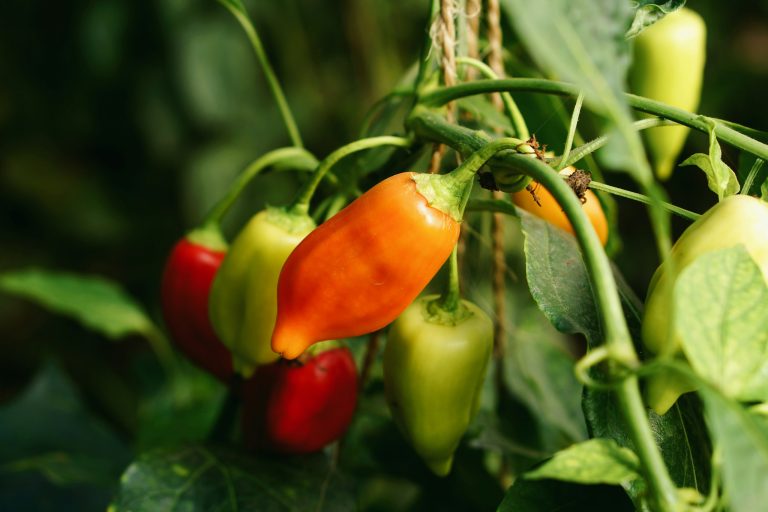
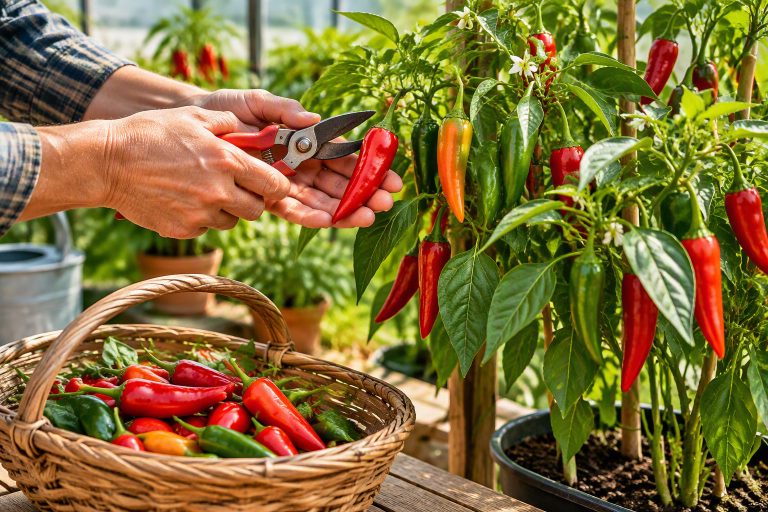
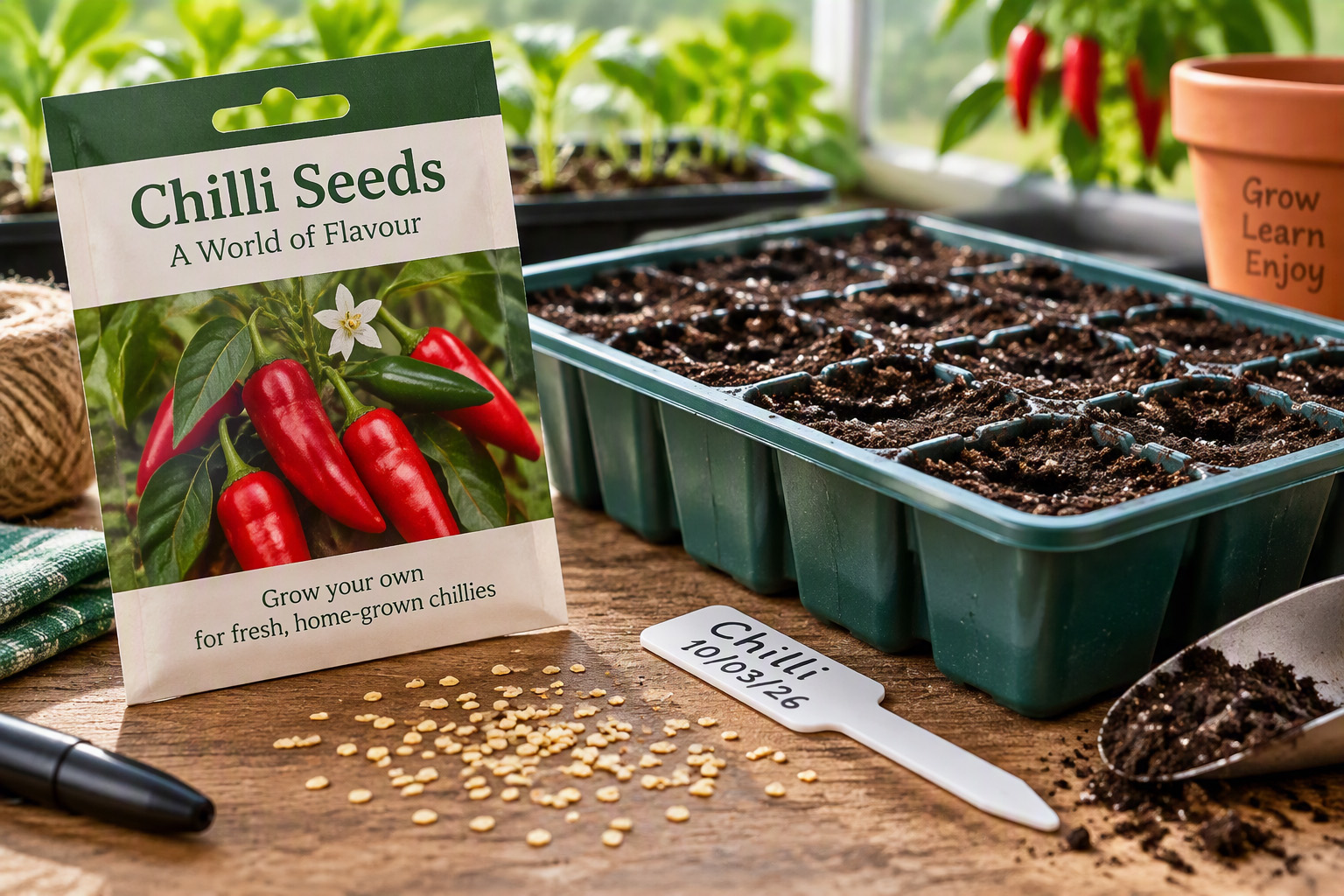
Save seed only from fully ripe pods on your strongest, healthiest and most productive plants, ideally ones that are also early and flavourful; selection should be deliberate rather than random. Chillies cross-pollinate easily, but cross-pollination affects the next generation, not the current pod. Where varietal purity matters, use distance, or slip fine mesh isolation bags over unopened flower buds, hand-pollinate the flowers once they open and tag the resulting pods.
Extract seed from fully ripe pods, wearing gloves where needed, and remove any debris. Spread the seeds on parchment paper in a warm (not hot), dark, airy room for 10–14 days until bone dry, away from direct heat and sun. Store them in labelled paper envelopes or sealed containers in a cool, dark, dry place with silica gel packets or another desiccant.
If you want to try breeding, a deliberate cross creates an F1 generation, variation becomes pronounced in the F2, and stabilisation requires repeated selection over later generations. Detailed records of parentage and plant characteristics are essential.
2. Overwintering multi-year plants
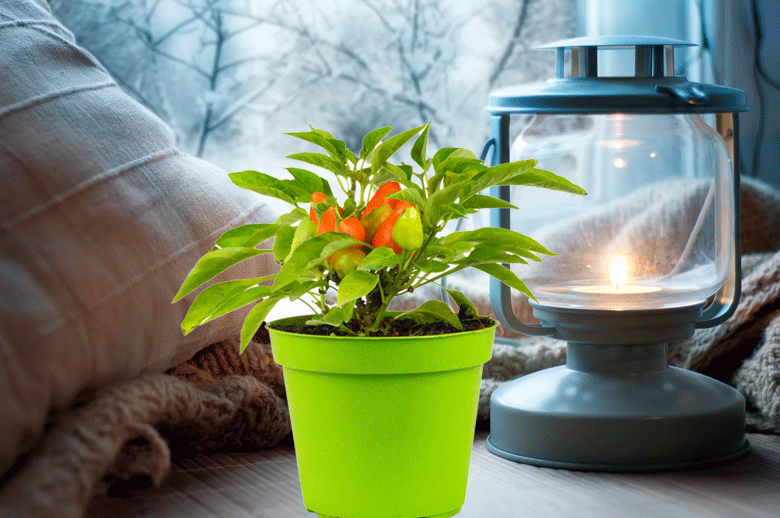
Chillies are natural perennials, so instead of throwing plants away in autumn you can overwinter them indoors. A healthy mature plant can flower and fruit earlier in its second season because it keeps a woody framework and established roots, giving bigger crops much faster in year two. Keep only strong, productive, pest-free plants. Before the first frost, harvest the remaining fruit, inspect each plant closely and bring it indoors, then prune the main branches back by a third to a half and strip off any remaining leaves, flowers and fruit.
Over winter, keep the plant in a bright, frost-free, well-ventilated room at around 10–15°C. Growth slows right down, so stop feeding completely and water very sparingly, only when the compost feels dry a few centimetres down. In February or March, as light levels rise, move plants to a warmer, sunny spot, remove any dead wood, top-dress with fresh compost, resume regular watering and reintroduce a dilute feed once fresh green shoots emerge. Harden plants off again before they go back outside.
Don’t panic about leaf loss. If you leave some foliage on, it is normal for plants to drop leaves over winter, as long as the stems remain firm and healthy.